
Ayni: today for you, tomorrow for me... Water, community and reciprocity in Bolivia
By Maria Antonia Pérez M.
Originally posted May 7, 2026, LinkedIn
There are words that are not only understood: they are felt, they are inhabited. In Bolivia, one of them is “Ayni.” An ancestral Andean principle that speaks to us of reciprocity, of balance, of that giving and receiving that cannot be measured but that holds life together. “Today for you, tomorrow for me” is not just a phrase: it is a way of being in the world, of weaving community. My recent trip to Bolivia with United4Change Center U4C was, in essence, an experience of Ayni. Nearly ten days that formed part of a series of gatherings, workshops and visits to strengthen long term processes. But for me it carried an even deeper meaning: it was the first time I visited the community we have been walking alongside for years.
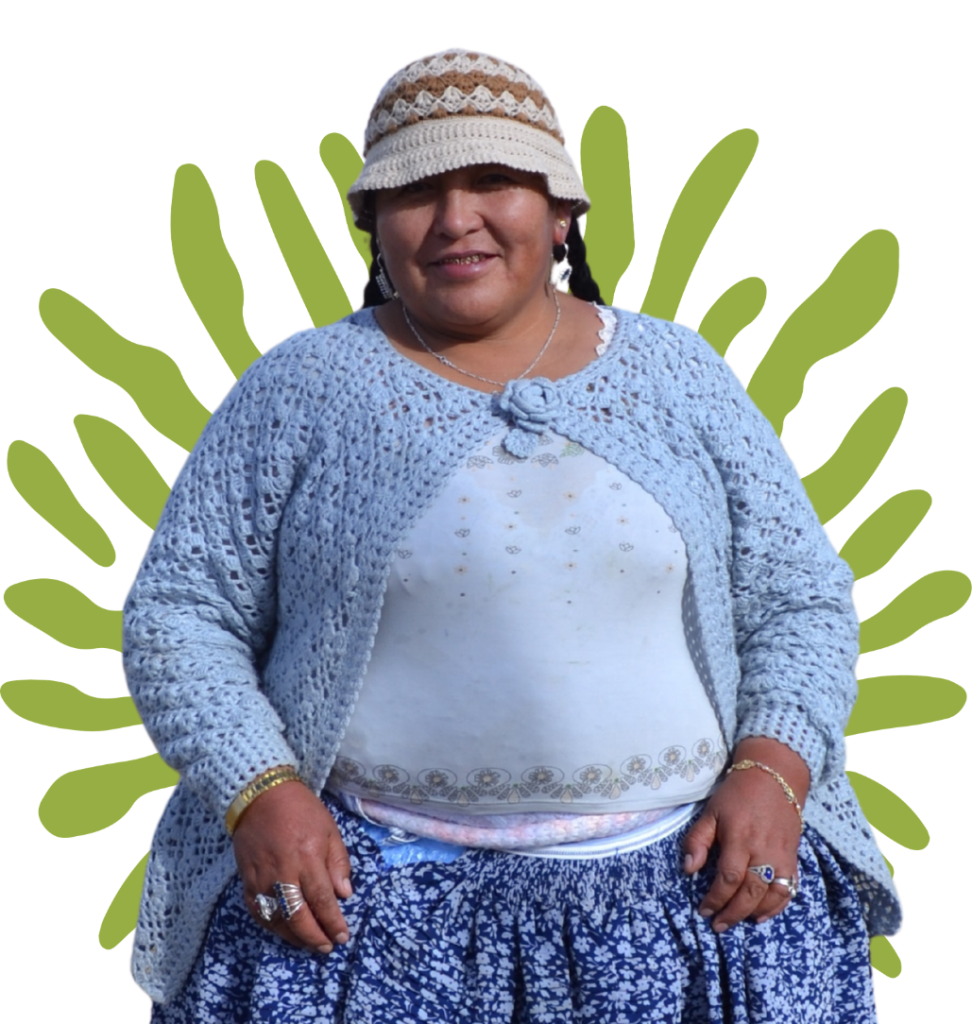
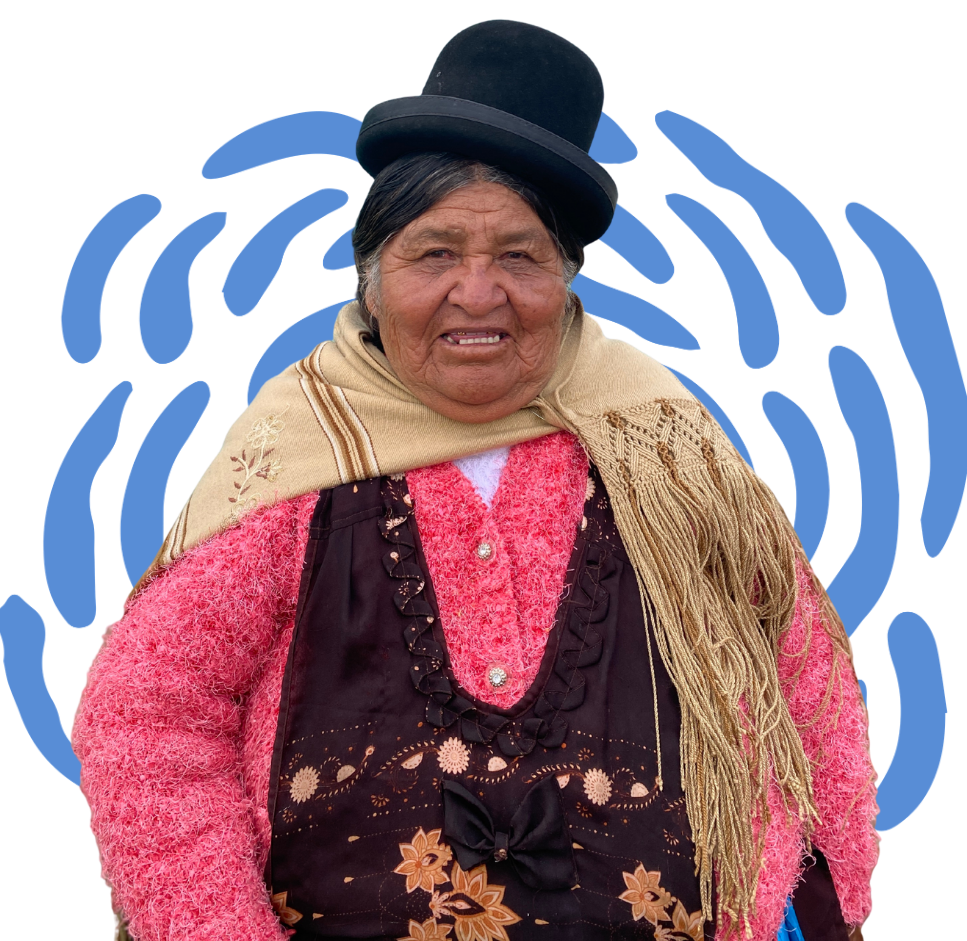
After sharing spaces and giving workshops on peace and conflict transformation in Santa Cruz and La Paz with Rotary clubs, we arrived in Corocoro. A territory with a mining history, with persistent challenges in access to water, and with a communal strength you can feel from the very first moment. There we visited the communities that are part of the WASH project (water, sanitation and hygiene), a joint effort between U4C, Edge Philanthropy, QBL and Rotary clubs. Being there changed everything: what had been a project now had faces, voices, silences, glances. The scale of the work became tangible, human. Meeting the team in person (especially Efrain and Sabrina, with whom I have worked remotely for years), being on the ground, listening to stories, understanding daily life and its challenges and, above all, connecting with people, was the most valuable part of this trip. Everything we had worked on before found its meaning in those encounters.
“Soy Agua”: processes that breathe
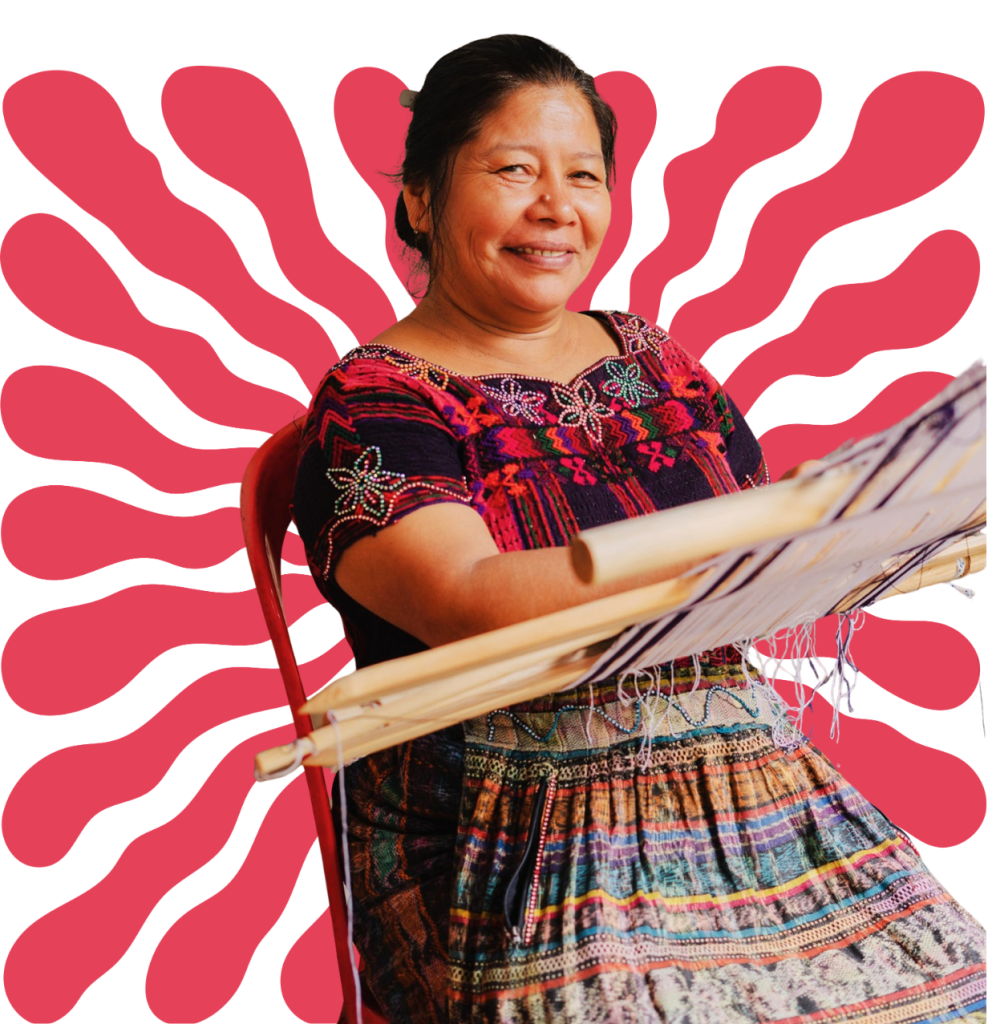
“Soy Agua” has been the educational strategy we have been building with U4C in Corocoro, in Chijchi Baja and Collpa Belén. It is a process that seeks to strengthen the relationship between people, water and territory through care, awareness and connection. There, Ayni shows itself in shared responsibility, in co-creation, in that doing together that transforms. It is a campaign that calls up action, help, care and connection, and it became visible in the community networks that sustain life under challenging conditions. “Soy Agua” reminded us, simply and powerfully, that each one of us is a drop: a voice, a hand, a presence and a seed that adds to collective care.
The team, the work, the satisfaction of learning together.
Art, peace and connection
During the visit, we facilitated workshops on peace and water stewardship using art and dialogue as bridges. Spaces where the creative opened paths toward the profound. Through activities and honest conversations, themes such as identity, territory and community emerged. Voices found other ways to express themselves, and in that process came moments of genuine encounter, of listening, of recognition. Because building peace is also that: creating spaces where we can see one another, feel one another and hold one another up.
Ayni as a living practice
In Corocoro, Ayni is not explained: it is lived. You feel it in the welcome, in the gestures, in the generosity with which the community shares its culture and its rituals. It takes shape in the “Aptapi,” that communal meal where everything is placed in common, where no one has more than anyone else, and where the act of sharing is the true nourishment. It is in every conversation, in every gesture, in every exchange of knowledge. In the collective building of each moment.
Beyond the project
Bolivia reminded me that reciprocity is not a strategy: it is a balance of life. A way of relating to the world through interdependence, respect and mutual care, through giving and receiving. Ayni invites us to rethink social and community work, to leave behind paternalistic aid models and to build processes where we are all part of it: co-responsible, creators, educators and learners. Today I return with a certainty I can feel in my body: the most valuable part of this trip was the encounters. With the team, with the community… and with myself. Because in the end, we are always holding one another up.
Maria Antonia Perez
Creativity & Innovation Advisor, U4C