We invite you to be part of this journey. Because when a woman sits at a table and says, “I believe I can,” she is not just imagining a better life—she’s building it.
By Dr. Bob Reid, Advisor at United4Change Center (U4C)
Over decades of work in philanthropy, I’ve had the honor of visiting communities across the globe—each rich in spirit, innovation, and resilience. But few experiences have left as deep a mark on me as my time in Kisumu, Kenya, where I encountered a powerful and innovative community-led solution that is transforming lives: table banking.
Kisumu is a city marked by stark contrasts—warm, industrious communities navigating persistent economic barriers, social inequalities, and the aftermath of natural disasters. In 2024, severe floods displaced tens of thousands, damaged farmland, and added strain to families already living on the margins. It is in this context that I witnessed something remarkable—not despair, but determination.
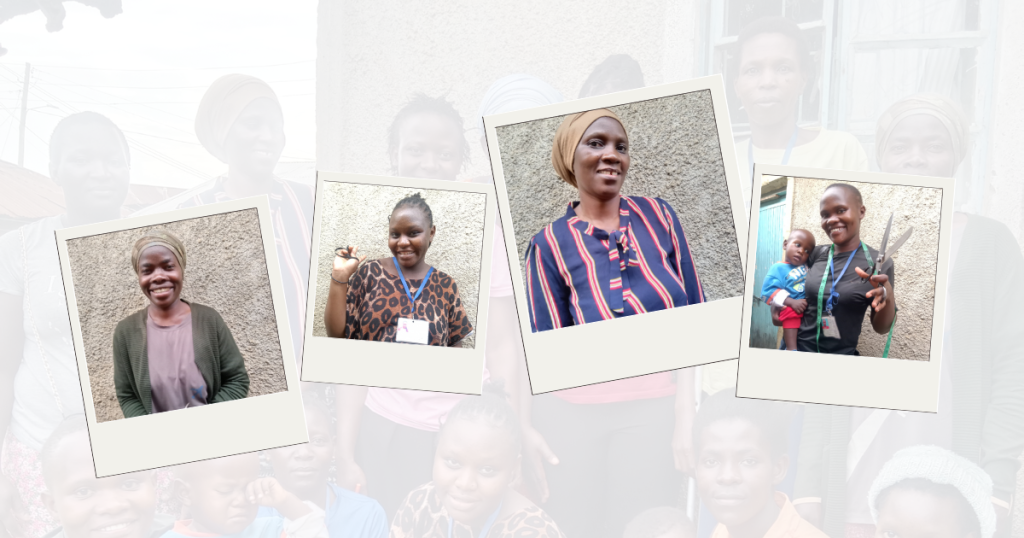
During my visit in 2022, I met a remarkable group of women during the graduation celebration of the Reducing Gender-Based Violence and Achieving Positive Peace by Empowering Women Affected and Infected with HIV initiative with WAPC in Kisumu’s slums. As part of the event, 20 Support-Help Groups presented their business plans—each reflecting the knowledge, strength, and resilience gained throughout the program. Every idea was filled with hope and a dream for a better future.
The Independent Ladies: A Story of Inspiration
One group, the Independent Ladies, particularly inspired me. Their community bed & breakfast project has grown beyond expectations. They contribute through shares, loan interest, a group emergency fund, and even fines for missed payments. Together, they have raised over 345,000 Kenyan Shillings.
Edge Philanthropy Inc. provided initial seed capital, and later support helped them launch the project and maintain a financial safety net during challenging periods. And the impact goes far beyond numbers. These women have discovered their capacity not just to save and invest, but to lead. Through financial literacy training, leadership development, and collective business planning, they have become champions of change in their neighborhoods. They’ve shattered the myth that women in informal settlements are passive recipients of aid. They are investors, entrepreneurs, and mentors.
Table Banking in Action
Every week, the group gathers where there are no formal banking counters, no tellers, and no security guards. Instead, there is a simple table—and around it, strength. They practice table banking, a model of financial empowerment that operates on trust, mutual accountability, and shared vision. Every week, they contribute to a communal “kitty.” Members can immediately access the money as loans to start businesses, pay school fees, or support each other during emergencies. The women set their own interest rates, keep meticulous records, and make every decision collectively.
What makes table banking so effective is its radical simplicity. It requires no collateral, avoids bureaucratic red tape, and includes everyone regardless of income or background. Moreover, it meets people where they are, with dignity and respect. The model is deeply cultural. Women act as guarantors for each other. They meet weekly to review progress, share updates, and celebrate wins. That table in Kisumu becomes more than a surface for money—it becomes a space for trust, leadership, and transformation.
Scaling Impact and Community Support
At U4C, we see this not as a one-time project, but as a scalable model for community development. We are committed to expanding table banking across more groups in Kisumu—and beyond. Together, we can launch and sustain groups through training, monitoring, and seed funds. And the returns? They are measured not only in revenue but also in children sent to school, businesses launched, and lives reclaimed from cycles of poverty and dependency.
We work closely with Women Arise for Positive Change (WAPC) to ensure table banking remains a catalyst for sustainable, women-led development. Their model includes training on gender-based violence prevention, leadership, and business skills—acknowledging the complex realities women face in slum communities where economic dependence often intersects with domestic violence.
What began around a simple table is growing into a movement.
I can say this with confidence: sometimes the best solutions come from the community itself. Our role is not to impose, but to invest, walk alongside, and listen. The women of Kisumu are not waiting to be saved. They are saving each other—and in the process, they are showing the world what’s possible when we put power back in people’s hands.
We invite you to be part of this journey. Because when a woman sits at a table and says, “I believe I can,” she is not just imagining a better life—she’s building it.
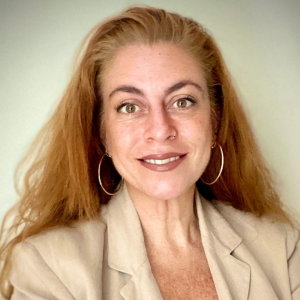
María Antonia Pérez
Creativity & Innovation Advisor, U4C