In today’s highly politicized and polarized environment, engaging in civil society and political organizations responsibly is more crucial than ever. The rise of political ideological radicalism often leads to conflicts, misunderstanding, and division among citizens. However, by adopting a thoughtful and measured approach, we can contribute positively to our communities and promote a healthier, more inclusive public discourse.
Severe polarization makes democracy vulnerable. In healthy democracies, opposing sides are seen as political adversaries to compete against and at times to negotiate with. However, in deeply polarized democracies, the other side comes to be seen as an enemy needing to be vanquished (McCoy, 2023). This shift from viewing opponents as temporary adversaries to seeing them as enemies undermines the foundations of democratic governance and mutual respect.
A well-informed citizen is the cornerstone of a robust civil society. Take the time to understand the issues and the different perspectives that exist. In a polarized environment, conversations often turn into debates where the primary goal is to win rather than understand. Promoting dialogue means encouraging open, respectful, and empathetic conversations where all voices are heard. Listening actively to others, even those with opposing viewpoints, fosters mutual respect and understanding.
Active citizenship goes beyond voting. It involves participating in community meetings, joining local civic groups, volunteering, and even organizing events that promote the common good. By actively engaging in your community, you help to create a sense of shared purpose and collective responsibility. As a community, it is important to know our local legislators and politicians. Understand who represents us at the local and national levels. Familiarize ourselves with their policies and voting records. Attend town hall and city council meetings to voice our concerns directly and understand the issues affecting our community.
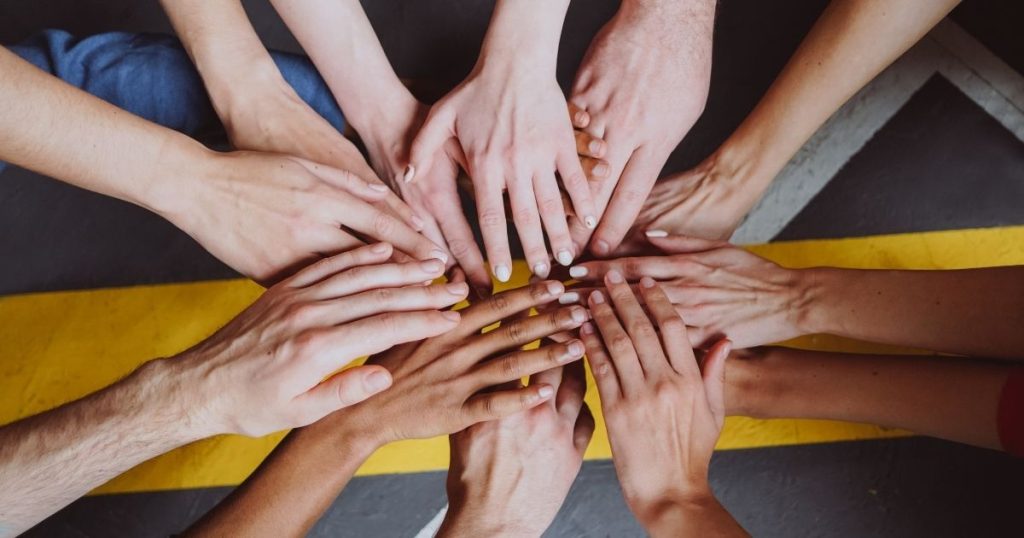
It’s easy to surround ourselves with like-minded individuals, but true progress comes from bridging divides. Seek out and collaborate with people from different backgrounds, beliefs, and ideologies. Working together on common goals, such as community improvement projects or social causes, can help break down barriers and reduce polarization.
Misinformation and disinformation are rampant in today’s digital age, often fueling radicalism and conflict. Prioritize fact-based discourse by verifying information before sharing it and challenging misinformation when you encounter it. In any conflict, it’s essential to remember the human element. Practicing empathy and compassion allows us to see the person behind the opinion. It helps in understanding the underlying concerns and fears that drive different viewpoints. This emotional intelligence is crucial in resolving conflicts and building a more cohesive society.
In a world where political ideological radicalism and polarization are increasingly prevalent, engaging responsibly in civil society and political organizations is not just a choice but a necessity. At U4C, we believe in the power of responsible engagement and are committed to supporting initiatives that foster unity, understanding, and positive change. Join us in our mission to build a more informed, inclusive, and cohesive society.

Daniel Murillo
Community Development Coordinator, U4C