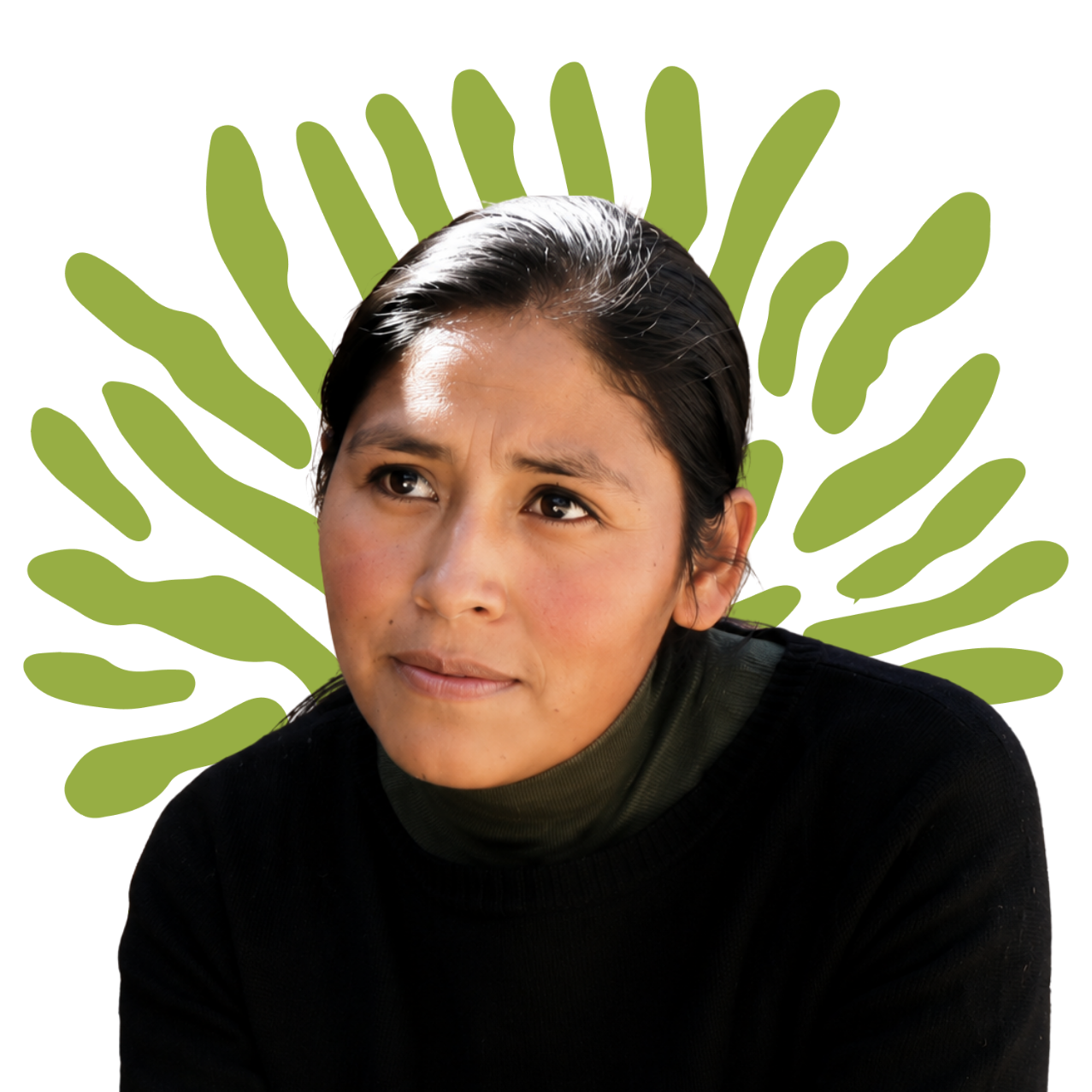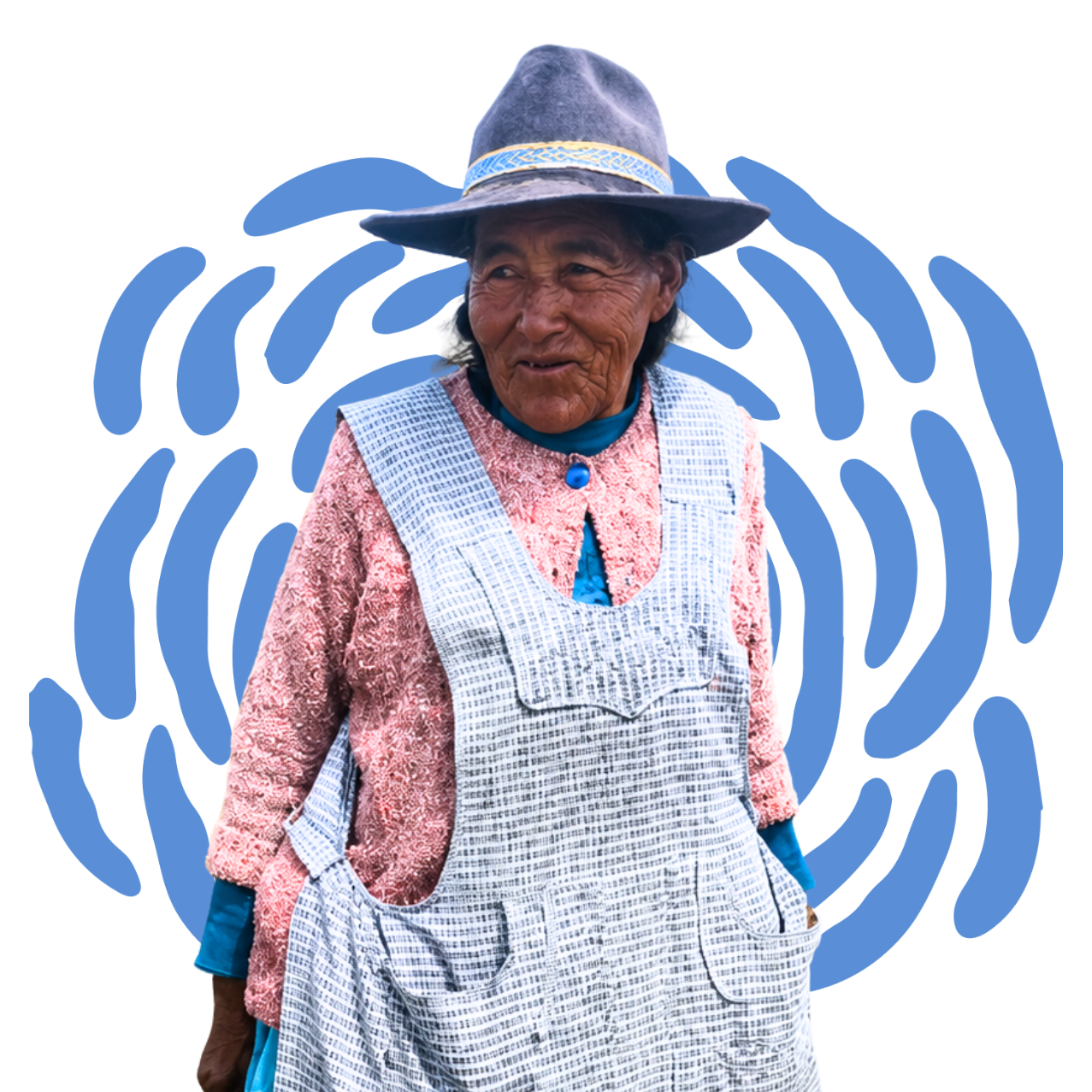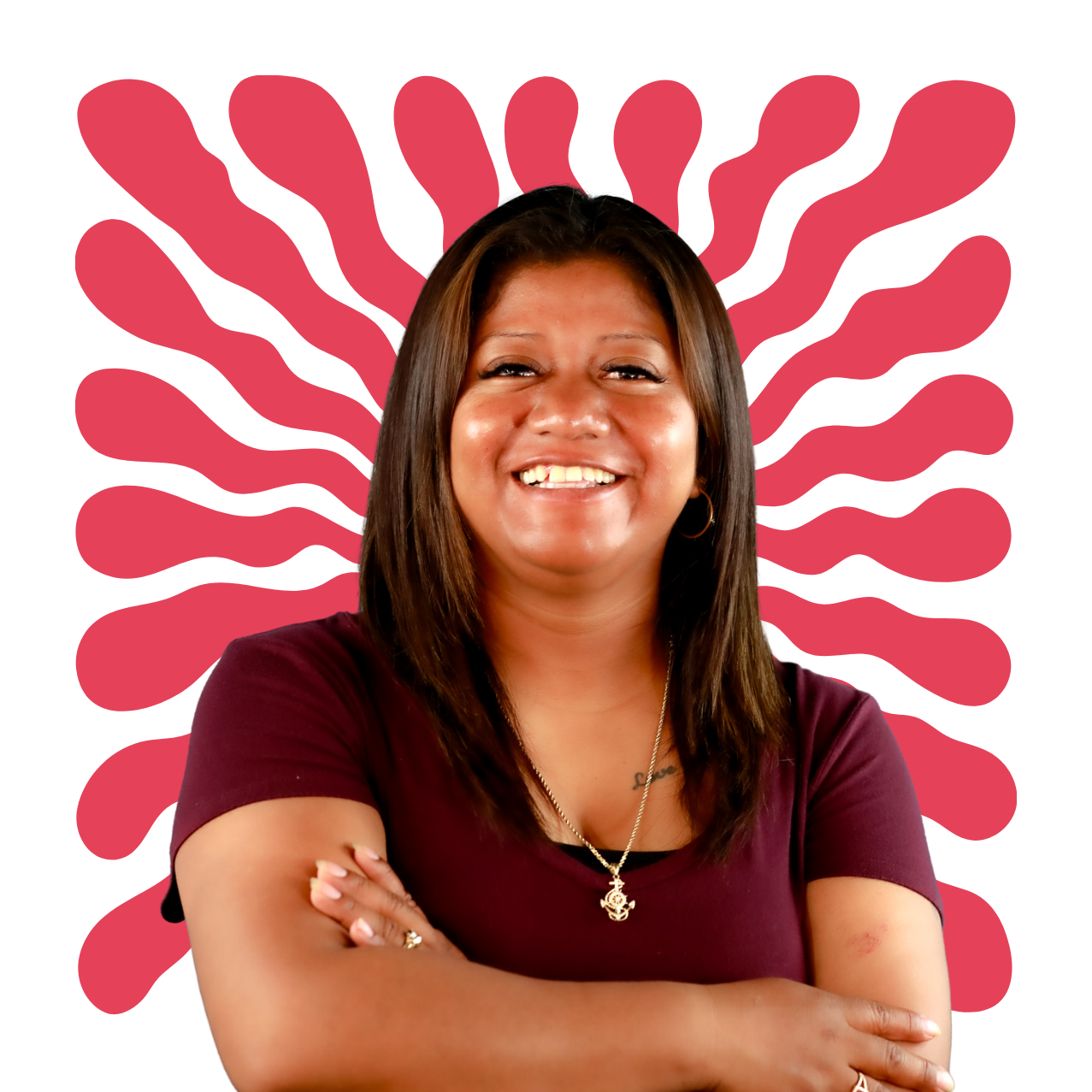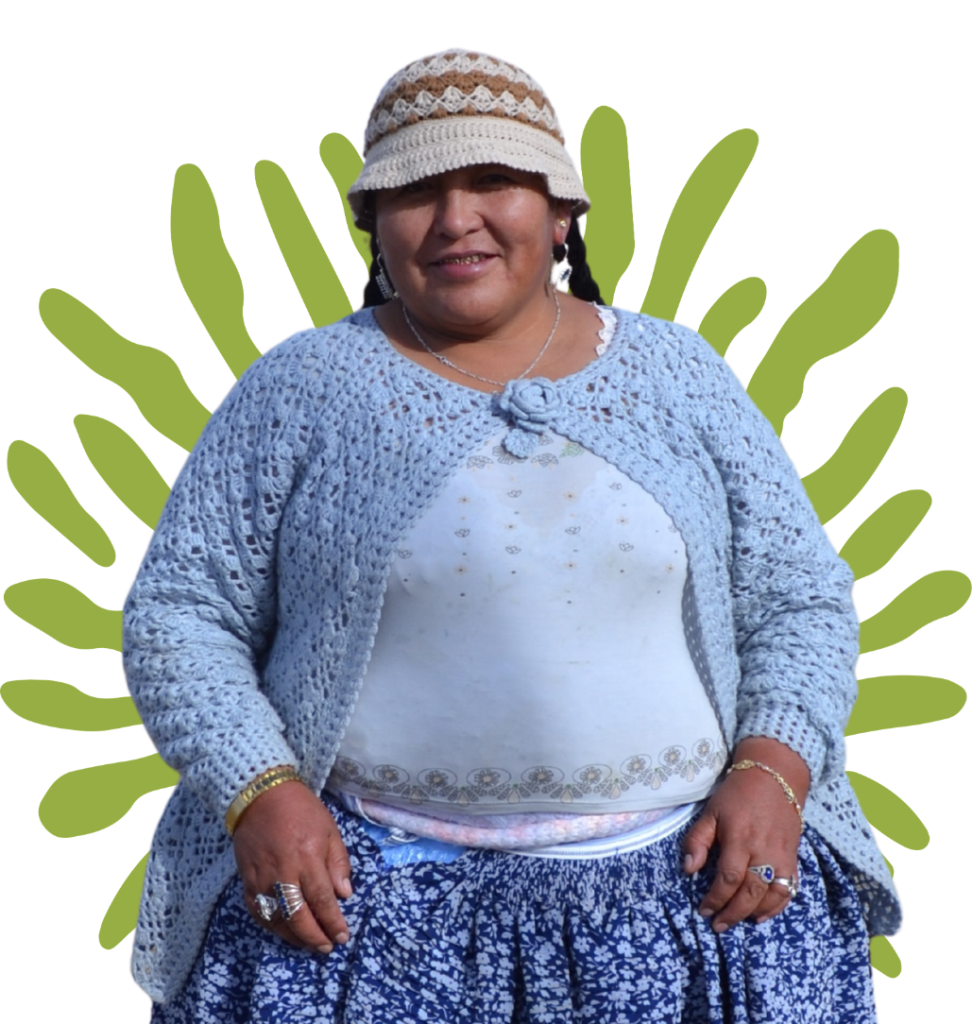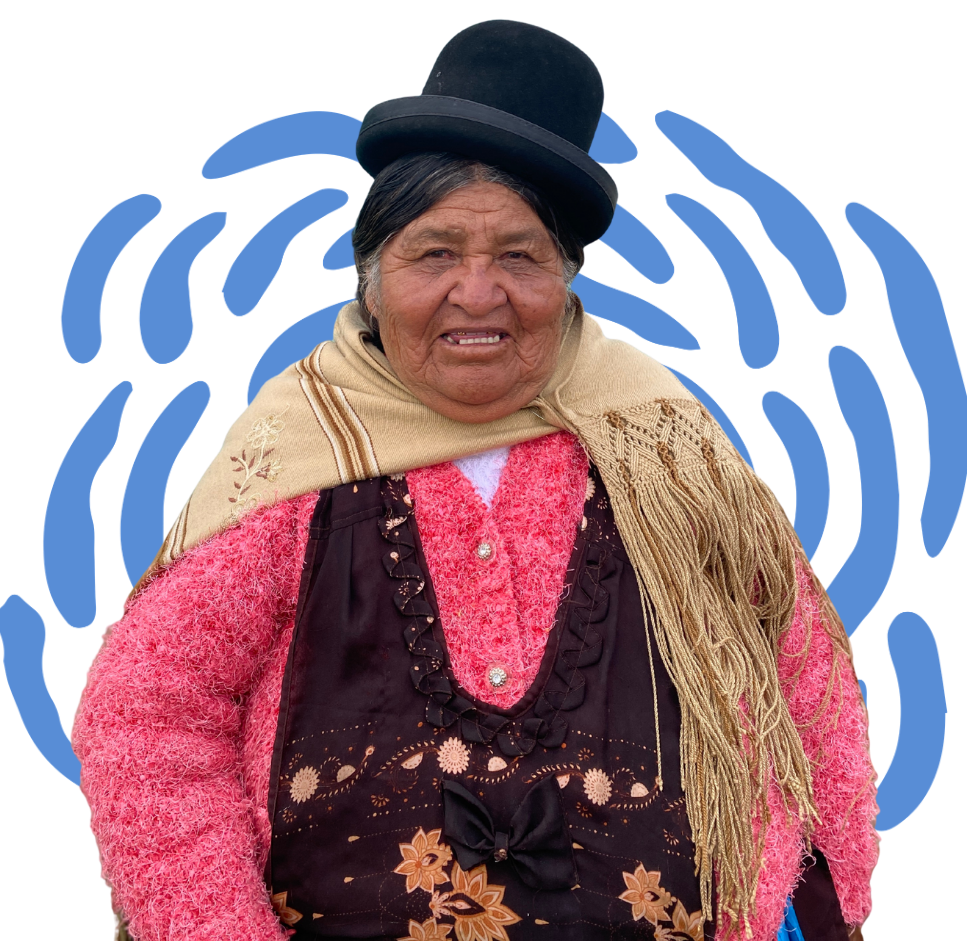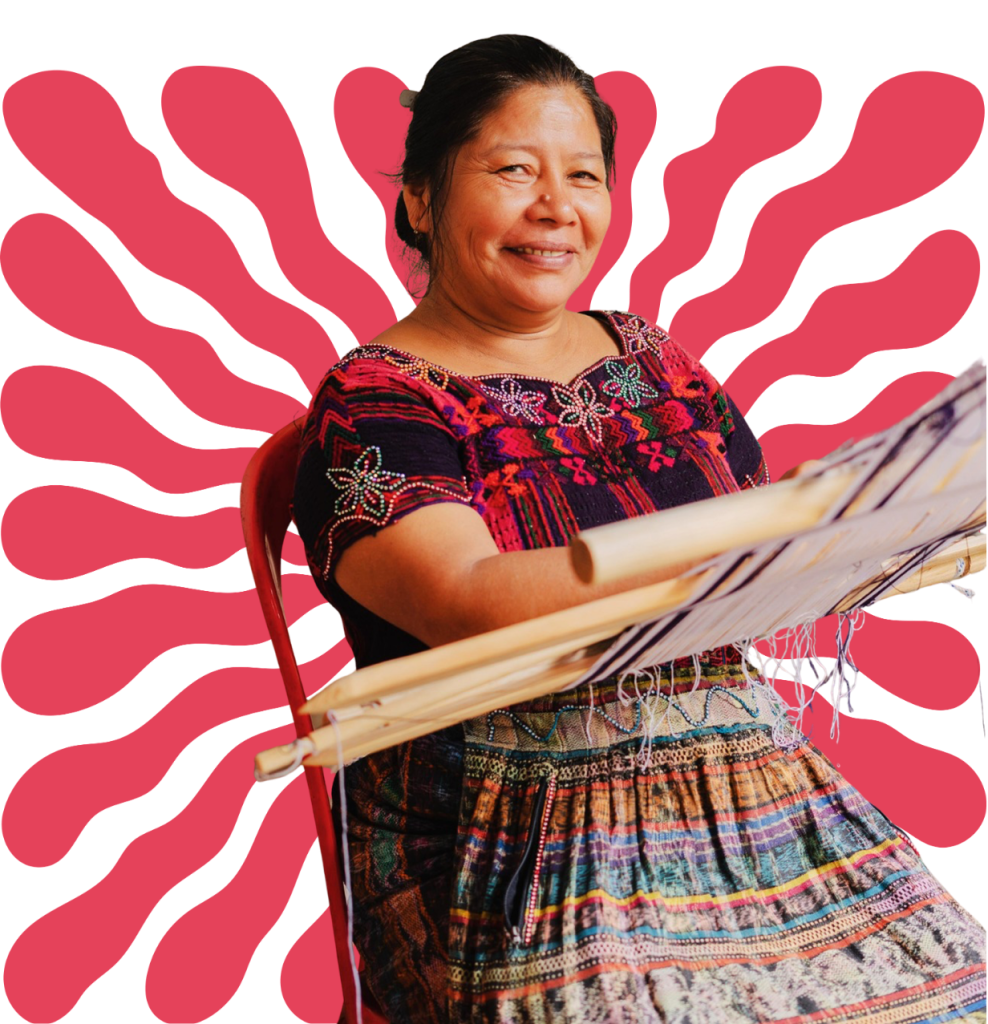
In the midst of this turbulence, there is hope. History and daily life alike show that human beings are not passive victims of crisis—we are also agents of compassion, ingenuity, and strength.
Life today can often feel unsteady beneath our feet. Many people wake each morning not knowing what new challenge the day might bring. Conflict and violence uproot families overnight, forcing millions to flee and leaving deep scars of loss. Meanwhile, economic turbulence and a global cost-of-living crisis add strain, as jobs and savings feel less secure (World Bank, 2022). On top of that, climate change—ranging from sudden disasters to shifting weather patterns—disrupts communities and traditions that stood for generations. In short, unpredictability has become the norm, and the comfort of knowing what tomorrow holds has slipped away.
The Scale of Global Hardship
In this global climate of instability, statistics reveal widespread hardship. Nearly 2 billion people—about a quarter of humanity—live in areas affected by conflict and insecurity (UNDP, 2022). Over 100 million people have been forcibly displaced due to war, violence, or persecution, a record high in recent years (UNHCR, 2023). Natural disasters strike at an alarming pace. In the past two decades, 350 to 500 medium-to-large disasters occurred annually, and by 2030, this could rise to roughly 560 disasters (UNESCO, 2023). These events—from massive storms and floods to wildfires and droughts—hit vulnerable communities the hardest.
These overlapping crises also reverse social and economic progress. In 2020 alone, around 71 million people were pushed into extreme poverty, marking the first global rise in decades (World Bank, 2022). The United Nations’ Human Development Index declined for two consecutive years for the first time (UNDP, 2022). Even before recent shocks, feelings of insecurity were rising almost everywhere. Beyond physical hardships, the emotional toll is profound. The World Health Organization (2019) estimates that roughly 1 in 5 people living in conflict zones will develop mental health conditions such as depression or post-traumatic stress.
This is the reality that lots of people wake up to—a world where change is rapid and often traumatic. It can feel like constantly walking on shifting ground. A farmer might lose her harvest to an unexpected flood, worrying how she will feed her children next month. A young man displaced by violence might grieve the loss of the only home he has ever known while facing an uncertain future. Families everywhere feel the pinch of rising prices, unsure if they can afford necessities as markets swing unpredictably. There is the pain of losing loved ones to a pandemic and the anxiety of wondering when the next crisis—big or small—will upend life again.
Yet, even amid these hardships, there is often a spark of determination: a will to survive, to adapt, and to protect one’s family and community against the odds.
Building Hope: Key Skills for Resilience and Adaptation
In the midst of turbulence, there is hope. History and daily life show that human beings are not passive victims—we are also agents of compassion, ingenuity, and strength. Around the world, individuals and communities in vulnerable situations draw on personal and social skills to navigate unpredictability. These skills do not eliminate threats, but they empower people to cope, recover, and even grow.
Resilience: Resilience is the inner strength to bounce back from setbacks and keep moving forward. In a crisis-prone world, it can mean a displaced family rebuilding after losing everything or a small business finding ways to stay open after a disaster. Resilience does not mean never feeling pain—it means adapting and recovering despite challenges. Research shows higher resilience is linked to lower symptoms of post-traumatic stress and depression after trauma (WHO, 2019).
Emotional Intelligence: Emotional intelligence helps people understand their own emotions and empathize with others. It enables families to communicate openly and support each other rather than letting fear and anger drive them apart. Emotional intelligence involves self-awareness, self-regulation, and social awareness—all crucial for reducing conflict and strengthening relationships (UNESCO, 2023).
Empathy: Empathy allows us to place ourselves in another’s shoes and feel some of what they feel. In a world full of crises, empathy motivates people to help neighbors and strangers alike. Empathy-driven actions, big or small, remind us that we are all in this together, fostering unity and collective strength.
Adaptability: As Bauman said, “If there is one constant in an unstable world, it is change” (2000). Adaptability means being flexible and open-minded in the face of new circumstances. During the COVID-19 pandemic, many schools and workplaces quickly switched to online platforms, demonstrating the importance of adaptability (World Bank, 2022).
Critical Thinking: Critical thinking helps people analyze information calmly and make informed decisions. In a crisis, misinformation spreads quickly. Critical thinking guards against fear-driven decisions that can worsen a situation.
Collective Strength and the Path Forward
Even amid daunting challenges, these skills highlight a vital truth: human capacity and collective strength are powerful. When unpredictability and loss threaten to overwhelm, people find strength within themselves and solidarity with others. Communities may be shaken by chaos, but their foundations can grow stronger when built on empathy, shared resilience, and cooperation.
Although we cannot prevent every crisis, we can nurture skills and values that allow us to navigate what comes. By investing in emotional intelligence and education, building networks of trust, and supporting each other, we create a buffer against despair. In uncertain times, humanity’s greatest asset is humanity itself—our ability to learn, adapt, care, and work together.
References
Schoch, M., Yonzan, N., Hill, R., & Lakner, C. (2022). To end extreme poverty, getting back to pre-COVID-19 reduction rates is not enough. World Bank. https://blogs.worldbank.org/developmenttalk/end-extreme-poverty-getting-back-pre-covid-19-reduction-rates-not-enough
Bauman, Z. (2000). Modernidad líquida.
United Nations Development Programme. (2022). Multiple global crises reverse human development gains worldwide, UNDP report finds. https://www.undp.org/press-releases/multiple-global-crises-reverse-human-development-gains-worldwide-undp-report-finds
United Nations Educational, Scientific and Cultural Organization. (2023). Disaster risk reduction, climate change and education. https://www.unesco.org/en/disaster-risk-reduction/education
United Nations High Commissioner for Refugees. (2023). UNHCR calls for concerted action as forced displacement hits new record in 2022. https://www.unhcr.org/news/press-releases/unhcr-calls-concerted-action-forced-displacement-hits-new-record-2022
World Health Organization. (2019). Mental health conditions in conflict situations are much more widespread than we thought. https://www.who.int/news-room/commentaries/detail/mental-health-conditions-in-conflict-situations-are-much-more-widespread-than-we-thought

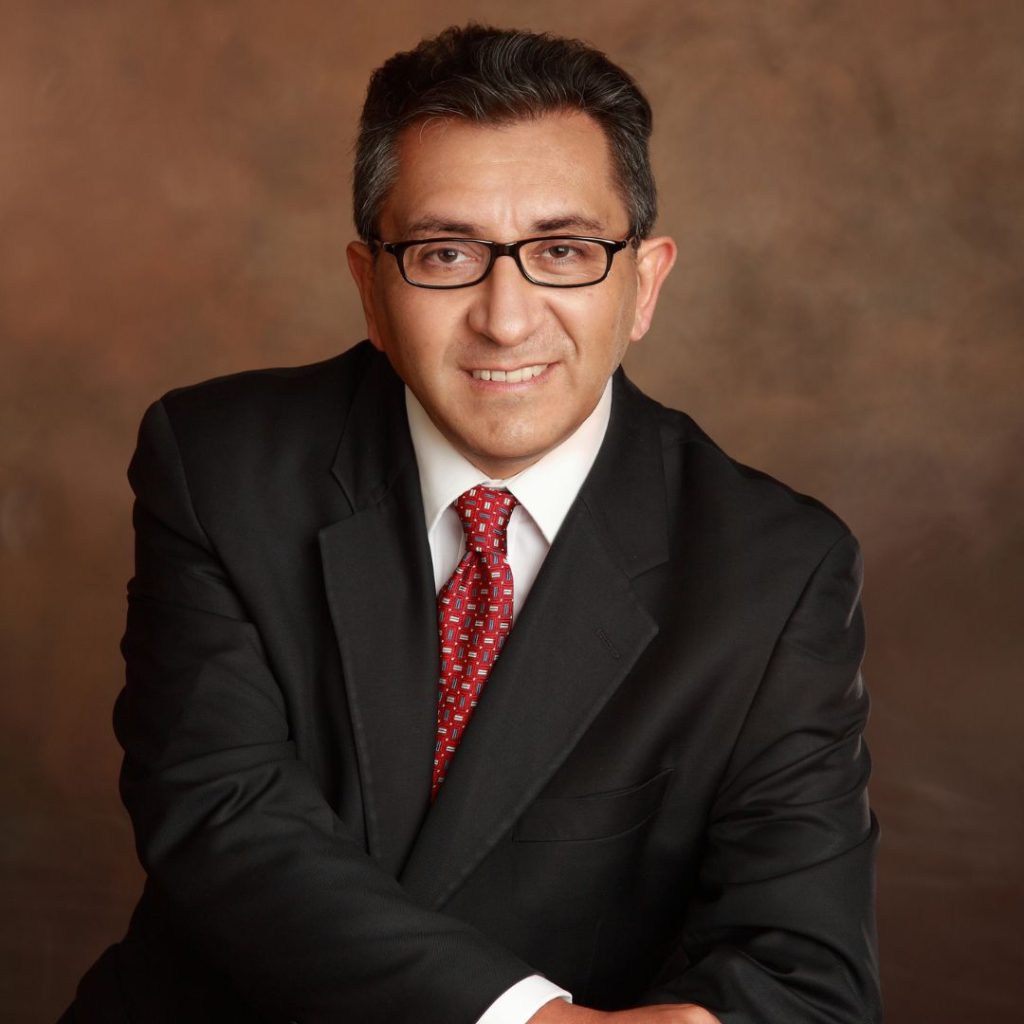
Daniel Murillo Ergueta
Community Development Coordinator, U4C