The seeds have sprouted. The roots are deep. And the harvest continues....
Collective Trauma Across Generations
Not all trauma comes from a single major event. For many Native American communities in the United States, trauma has built up over generations. Indeed, this long and painful history includes violent colonization, forced removal from ancestral lands, the loss of language and traditions, and the trauma of Indian Boarding Schools. As a result, these experiences have led to what scholars call historical trauma—a deep emotional and psychological impact that is passed down from one generation to the next.
From the mid-1800s to the mid-1900s, the U.S. government took tens of thousands of Native American children away from their families and placed them in boarding schools run by churches and the government. Tragically, these schools aimed to erase Indigenous identity through a policy summed up in the phrase: “Kill the Indian in him, and save the man.” Many of these children suffered emotional, physical, and sexual abuse. Consequently, the long-term effects continue to show up today in higher rates of suicide, substance use, depression, and chronic health problems among Native populations (Powder, 2022). Moreover, these outcomes are compounded by systemic discrimination that persists today.
For example, suicide is the second leading cause of death for American Indian and Alaska Native youth ages 10–34. However, these outcomes are not just about poverty or location—they are closely linked to the long legacy of trauma and systemic discrimination. Indeed, historical trauma is not just a concept; it’s a lived reality that affects families, communities, and generations. Thus, the pain of being separated from one’s culture, the silence around what happened, and the struggles that continue today are all part of the story. Furthermore, these effects often intersect with economic and social challenges, creating a cycle that is difficult to break.
Resilience Through Culture and Community
Despite these challenges, Native American communities across the country are leading efforts to heal, reconnect with cultural traditions, and support younger generations. In particular, many tribes have started language programs, cultural camps, and family-based ceremonies to bring back pride in Indigenous identity. Moreover, these traditions aren’t just symbolic—they’re powerful tools for healing. Similarly, community-led initiatives help reinforce cultural values while addressing emotional and psychological needs.
Furthermore, language is central to cultural identity. Reviving endangered Native languages has become a priority for many communities. Indeed, language is more than just communication; it’s a way of understanding the world, passing down values, and connecting with ancestors. Consequently, when youth learn their language, they often feel a stronger sense of belonging and purpose. Additionally, this knowledge helps bridge generational gaps and strengthens family and community bonds.
In addition, studies show that when Native youth feel connected to their culture and community, they are less likely to struggle with substance use or suicidal thoughts. As a result, a strong sense of identity provides emotional stability and helps young people see their future with hope. Moreover, cultural reconnection has been linked with increased school attendance, improved self-esteem, and better family relationships. Therefore, supporting cultural programs is not just symbolic—it has measurable positive impacts on youth well-being.
The “Little Holy One” Project: Healing Families Through Culture
A good example of this approach is the “Little Holy One” project at the Fort Peck Indian Reservation in Montana. This program, developed in partnership with Johns Hopkins University, offers parenting support that includes lessons about tribal history and ceremonies like naming rituals and smudging (the burning of sacred herbs for spiritual purposes). Furthermore, parents learn about the impact of historical trauma and how to talk with their children about strength, survival, and cultural pride (Brockie, 2022).
Encouragingly, the early results are positive. Families report stronger emotional bonds, improved parenting skills, and a greater sense of connection to their heritage. Ultimately, the goal is to break the cycle of trauma—not by ignoring the past, but by learning from it and honoring cultural identity. Consequently, children who grow up in these environments are more likely to become future leaders, storytellers, and protectors of their people’s legacy. Additionally, these programs help normalize conversations about trauma and resilience within families and communities.
Community-Based Healing
In many communities, healing often happens in culturally grounded spaces. For instance, some tribes have returned to traditional healing ceremonies, such as talking circles, sweat lodges, or grief gatherings around sacred fires. On the Saginaw Chippewa reservation in Michigan, for example, a grief support group meets in a traditional teaching lodge. There, community members share their stories, honor those they’ve lost, and find comfort in Indigenous healing practices.
Importantly, these practices emphasize collective healing rather than individual treatment. They also acknowledge the role of ancestors, spiritual beliefs, and community connection in restoring well-being. In turn, these spaces create trust and understanding in ways that traditional Western therapy sometimes cannot. As a result, they allow people to heal on their own terms, in line with their cultural values and beliefs.
Elders often play a vital role in these healing processes. Indeed, they carry historical knowledge and serve as guides for younger generations. In many cases, the act of listening to elders, participating in ceremonies, or learning to make traditional crafts like beadwork or drum-making is itself a form of healing. Ultimately, these practices restore pride and purpose, especially among young people who may feel disconnected.
National Recognition and Historical Justice
Recently, there has been more public recognition of the damage caused by historical trauma. The U.S. Department of the Interior is investigating the legacy of the federal boarding school system. Additionally, some states have begun to include Native history and the topic of historical trauma in public school education.
These actions are important steps toward what many Native advocates call historical justice. While symbolic, they help validate survivors’ experiences and open space for dialogue, healing, and long-term change. Moreover, public apologies, land acknowledgments, and investments in Native-led health and education initiatives all help build momentum toward justice.
Meanwhile, many healing initiatives continue to be led by Native communities themselves. Programs that center Indigenous voices and values are showing that it’s possible to heal, restore identity, and build stronger futures—especially when young people are given the tools and support they need.
Final Reflections
The story of historical trauma in Native American communities is painful, but it is also one of strength. Nevertheless, despite centuries of injustice, many tribes are reconnecting with their traditions, reclaiming their languages, and building supportive spaces for healing. Programs like “Little Holy One” show that when families are given tools grounded in their own culture, real progress is possible.
Healing from historical trauma takes time, trust, and the leadership of the communities most affected. However, the message is clear: even the deepest wounds can begin to heal when people are empowered to tell their stories, celebrate their identity, and lead their own recovery. Indeed, healing is not about forgetting, but about remembering with purpose. It is about honoring survival, sharing wisdom, and choosing to move forward with dignity.
Ultimately, as Native communities across the U.S. continue their journey toward healing and justice, their strength reminds all of us of the power of resilience. Consequently, their stories offer hope—not just for Indigenous peoples, but for any community seeking to overcome hardship through unity, culture, and truth.
At United4Change Center, we believe that healing, justice, and dignity must be community-led. Indeed, the resilience shown by Native American communities in the face of historical trauma speaks to the power of culture, identity, and collective strength. U4C stands alongside Indigenous leaders and organizations who are reclaiming their stories, revitalizing their traditions, and building a future where healing is not only possible, but unstoppable. Through our work, we are committed to amplifying these voices, supporting culturally rooted initiatives, and advancing equity and inclusion for all communities navigating the legacies of injustice.
References
Brockie, T. N., Heinzelmann, M., & Gill, J. (2013). A framework to examine the role of epigenetics in health disparities among Native Americans. Nursing Research and Practice, 2013. https://doi.org/10.1155/2013/410395
Brave Heart, M. Y. H. (2003). The historical trauma response among Natives and its relationship with substance abuse: A Lakota illustration. Journal of Psychoactive Drugs, 35(1), 7–13. https://doi.org/10.1080/02791072.2003.10399988
Gone, J. P. (2013). Redressing First Nations historical trauma: Theorizing mechanisms for indigenous culture as mental health treatment. Transcultural Psychiatry, 50(5), 683–706. https://doi.org/10.1177/1363461513487669
Powder, J. (2022). Healing historical trauma. Hopkins Bloomberg Public Health Magazine, Spring/Summer 2022. https://magazine.publichealth.jhu.edu/2022/healing-historical-trauma
U.S. Department of the Interior. (2022). Federal Indian Boarding School Initiative Investigative Report. https://www.bia.gov/service/education/federal-indian-boarding-school-initiative
Sotero, M. (2006). A conceptual model of historical trauma: Implications for public health practice and research. Journal of Health Disparities Research and Practice, 1(1), 93–108.
Whitbeck, L. B., Adams, G. W., Hoyt, D. R., & Chen, X. (2004). Conceptualizing and measuring historical trauma among American Indian people. American Journal of Community Psychology, 33(3–4), 119–130. https://doi.org/10.1023/B:AJCP.0000027000.77357.31

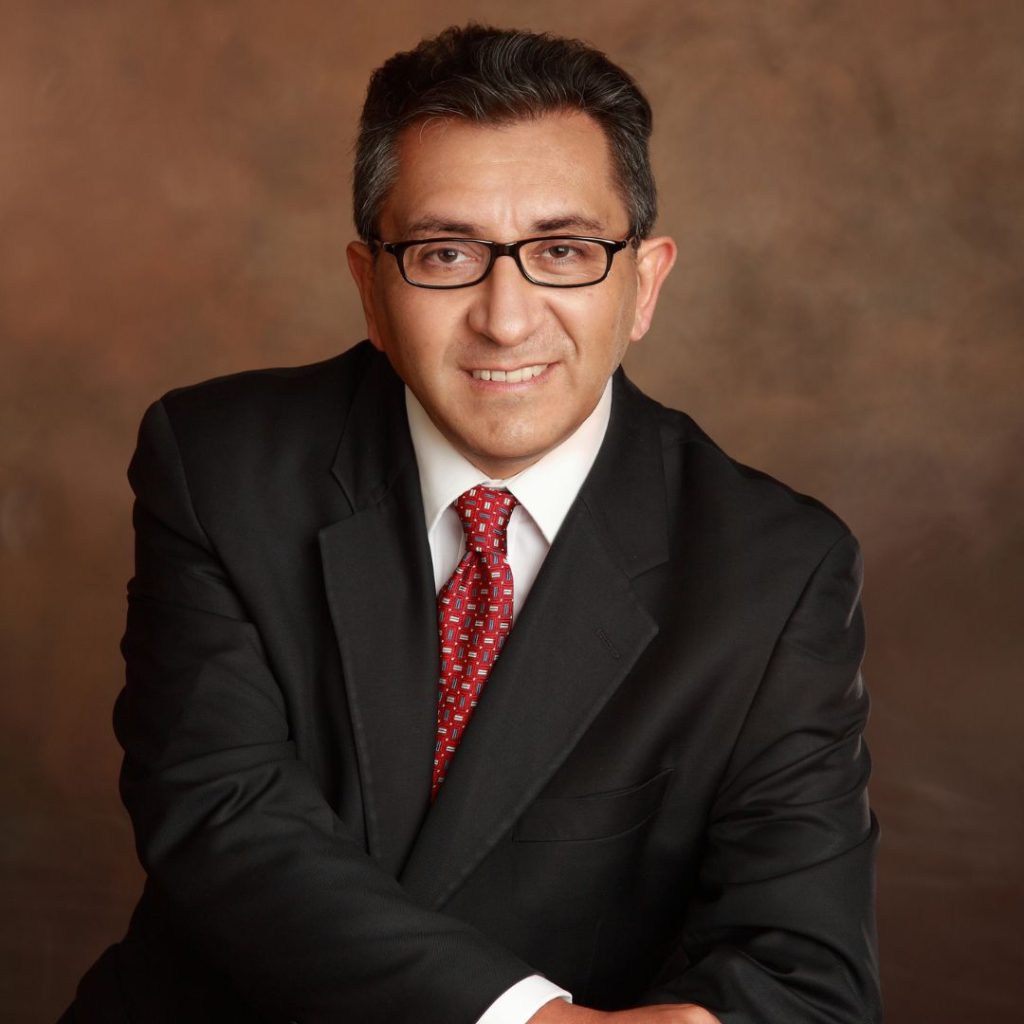
Daniel Murillo
Community Development Coordinator, U4C