Co-Creation: Why Co-creating with Local Partners is Key to Successful Development Initiatives
Development projects, whether focused on infrastructure, health, education, or economic empowerment, are most successful when they actively involve the communities they aim to serve. Engaging local communities ensures that projects address actual needs, leverage local knowledge and skills, and promote sustainability. United4Change Center (U4C) exemplifies this approach through its collaborative development projects.
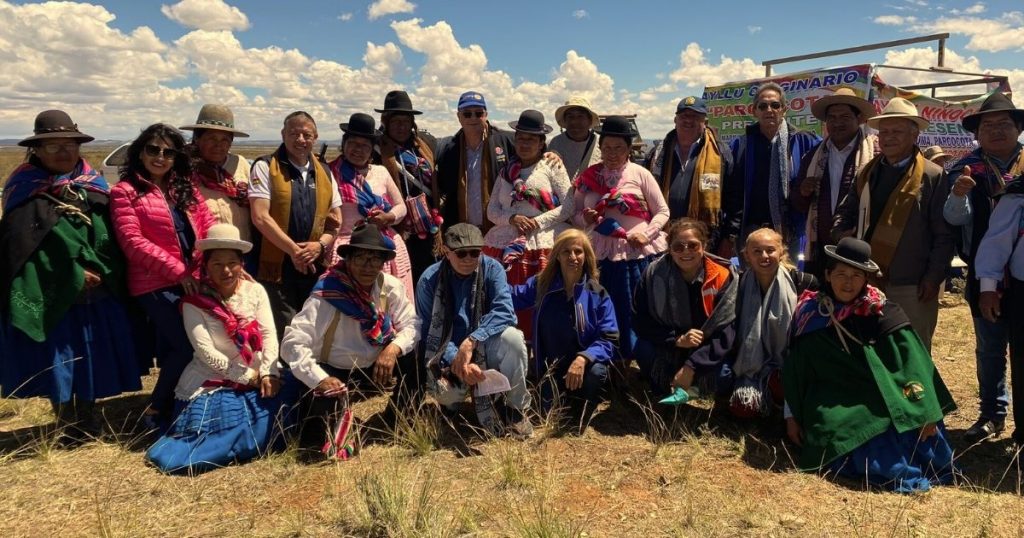
One of U4C’s notable projects, under Water4All with QBL is the extension of the potable water system in Corocoro, Bolivia in close collaboration with Fundación Quaker Bolivia Link. This project aimed to provide indigenous communities with access to safe water and sanitation. Meetings with local residents revealed that their primary water sources were often contaminated and located far from their homes, making access both difficult and dangerous. Local communities have a deep understanding of their own challenges and resources, which is crucial for designing and implementing effective solutions. The project involved constructing new water systems, installing solar-powered pumping stations, and laying pipelines to deliver water directly to homes.
A critical component of this project was involving local communities at every step, from planning and decision-making to implementation. This approach fostered a sense of responsibility among community members. By engaging the community in the assessment and design phases, U4C and QBL ensured that the new water systems met the specific needs of the community. Additionally, training sessions were held to help residents with water management, sanitation practices, and system maintenance, ensuring the project’s long-term sustainability and practicality for local conditions.
U4C’s approach to development is rooted in promoting social justice and peace through collaborative partnerships. By empowering marginalized groups and creating conditions for self-directed, dignified, and sustainable existence, U4C’s projects highlight the importance of community engagement. This model is not limited to just one project but is a cornerstone of U4C’s approach across a wide range of initiatives around the world.
Engaging communities in the implementation and maintenance of projects ensures that they are more likely to take responsibility for the project’s longevity. It also empowers residents by building their skills and capacities, enabling them to contribute to and benefit from development initiatives. Collaborative projects can strengthen social ties within communities, fostering cooperation and mutual support. This enhanced civic participation can drive more responsive and accountable governance, further contributing to sustainable development and improved quality of life for all community members.
The dynamic exchange of ideas fosters a learning environment where nonprofits can adapt their strategies to better fit the unique challenges and opportunities of each community. This reciprocity not only enhances the effectiveness and resilience of individual projects but also cultivates a sustainable and inclusive development model. The success of development projects hinges on the active participation of local communities. By leveraging local expertise and fostering a sense of ownership, organizations like U4C can create sustainable and impactful solutions.
To learn more about U4C’s initiatives and how you can support their work, visit united4changecenter.org.