“Education is the most powerful weapon you can use to change the world.” – Nelson Mandela.
By S.W. Rotary Peace Fellow
Afghanistan was a Muslim country where Islam mandated education for both men and women. However, the current de facto regime, despite claiming to uphold Islamic law, has banned girls’ education in schools and universities. According to their recent notification, the Ministry of Finance has prohibited girls and women from working in national and international NGOs. Consequently, several international humanitarian organizations, such as the International Rescue Committee (IRC) and the Swedish Committee for Afghanistan (SCA), have suspended their missions in Afghanistan. This cessation impacts thousands of these women who played critical roles in providing humanitarian assistance and education during crises, benefiting millions of people in need across Afghanistan. .
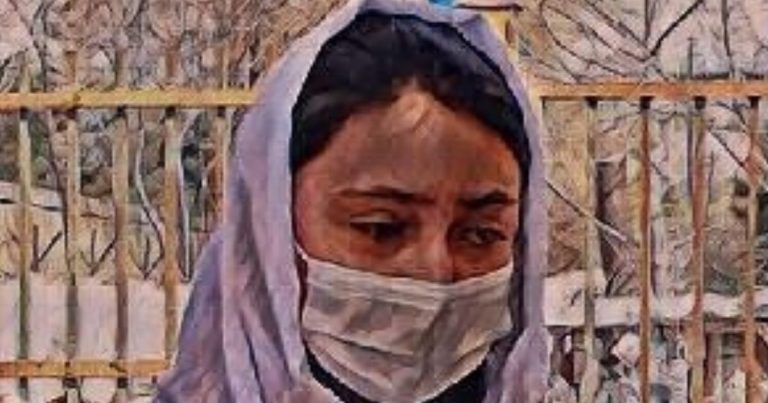
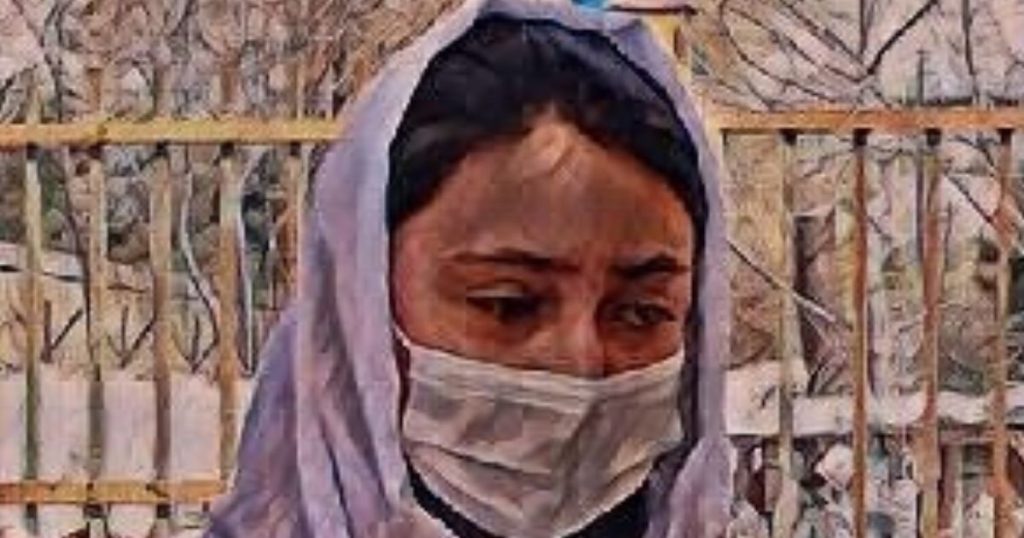
In the heart of Jalalabad city, I met Shaheena (pseudonym), a student of English literature at Nangarhar University, the second-largest public university in the Country. She shared her feelings saying: “I do believe that the leaders of the de facto regime would one day reinstate girls’ education, given that we were going to the university despite the difficulties. When I heard that we were also banned from going to the university and then shortly I heard that even women are not allowed to work in NGOs, it made me cry. I never imagined such a day in my life. Now I only see darkness, as the light has been turned off forever.”
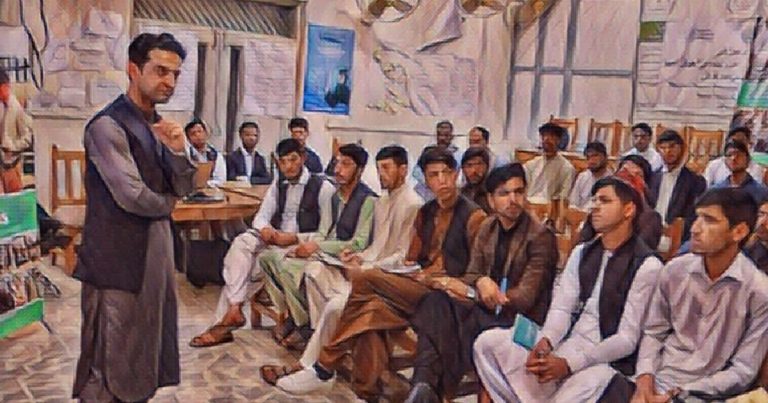
During the most critical situation of uncertainty, the United4 Change Center (U4C) and dedicated Rotary Peace Fellows in Afghanistan launched an initiative, carrying out online teaching sessions to support girls like Shaheena, enabling them to take professional online courses sponsored by institutions. For those approaching the end of their university careers with assigned research projects, U4C, in collaboration with committed Rotary Peace Fellows, assists them with research methodology. Additionally, for economically disadvantaged girls, the U4C strives to support them by providing smartphones and internet packages.
When Shaheena learned that U4C and the Rotary Peace Fellows would help her continue her studies online, she was overjoyed and called upon the international community to stand with Afghan girls and women, urging them to exert pressure on the de facto regime to respect the dignity and basic rights of women and girls.
Her words to me carried a profound message. On her last day at the university, she boldly questioned the vice-chancellor of Nangarhar University, “Who will care for your wife if there are no female doctors? ?” It’s a question that resonates deeply and without a response by the Taliban, the current regime that seems unwilling to respond with reason or empathy.
At United4Change Center, we are deeply moved by the stories of Shaheena and many other girls and women in Afghanistan. Their struggles and the uncertain future they face touch us deeply. Despite these tough times, we are hopeful. We believe in the strong spirit and resilience of these brave women and girls, knowing that their strength will shine through even in the toughest moments.
The hard work and dedication of our partner, Rotary Peace Fellow in Afghanistan, since 2021 have left a lasting mark on us. His inspirational stories motivate us to keep fighting for the rights and respect of women and girls everywhere. Through these narratives, we are reminded of the urgency of our mission and the importance of our work, inspiring us to redouble our efforts in championing the cause of women and girls empowerment.